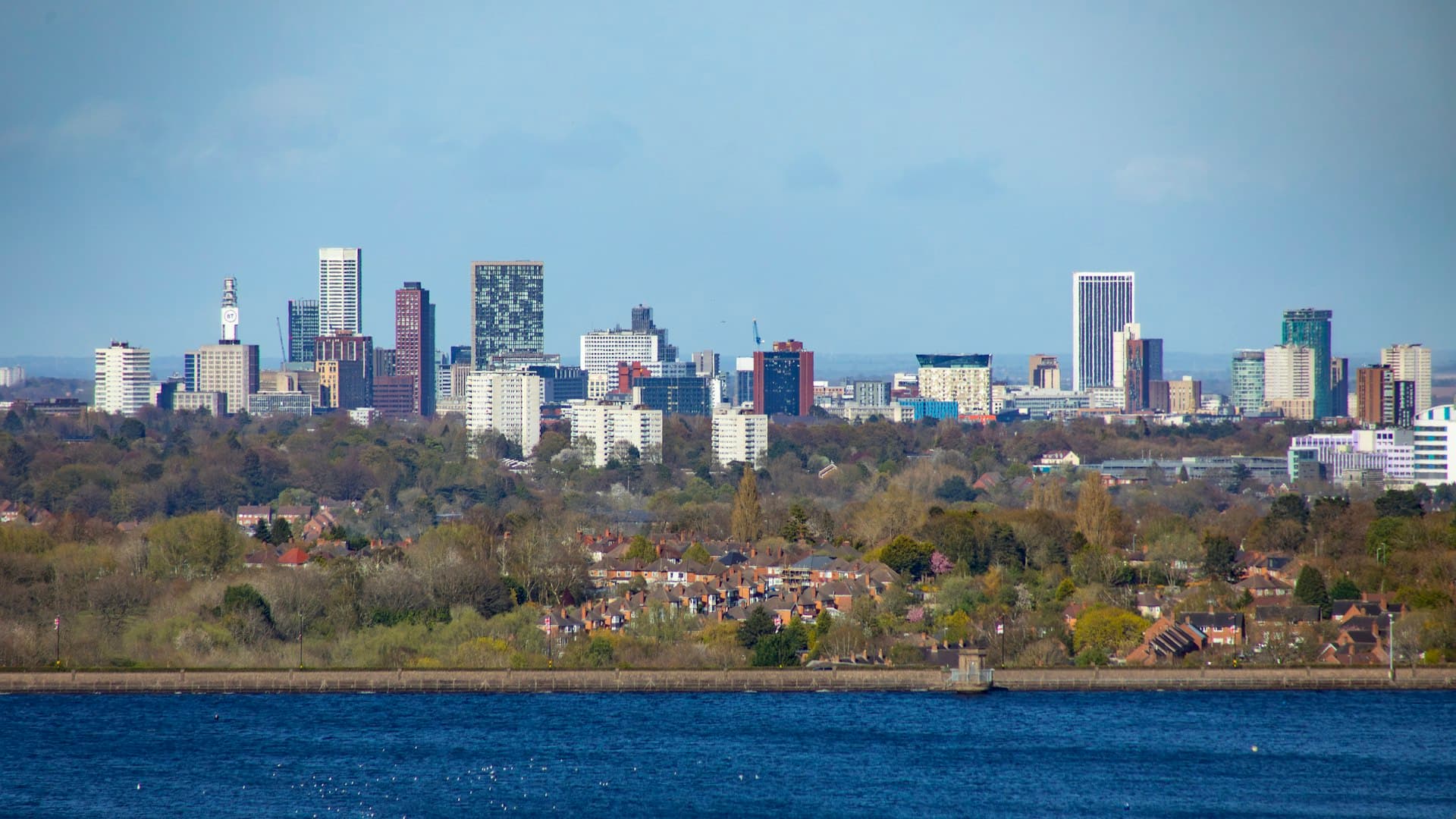
Shadow Impact & Daylight Compliance — Instantly
Assess right-to-light, shadow impact on neighbors, and urban heat exposure for any development site. Generate planning-ready evidence in minutes.
Without SunTrace3D
Outsourced shadow studies cost €500–€2,000
Every planning application needs a shadow impact assessment. Outsourcing each one is slow and expensive.
Manual BRE 209 calculations
Checking daylight access to neighboring windows requires building 3D context models from scratch.
No tools for urban heat assessment
Climate impact of new developments on pedestrian thermal comfort is nearly impossible to quantify.
With SunTrace3D
Instant right-to-light analysis
Assess daylight access to neighboring windows using BRE 209 guidelines. See which windows pass or fail — no manual calculation needed.
Full-year shadow impact
Simulate shadows cast by proposed buildings across all seasons. Evidence for planning committees in minutes, not weeks.
Urban heat mapping
Analyze shade coverage and surface heat exposure. Quantify how new construction affects thermal comfort for pedestrians.
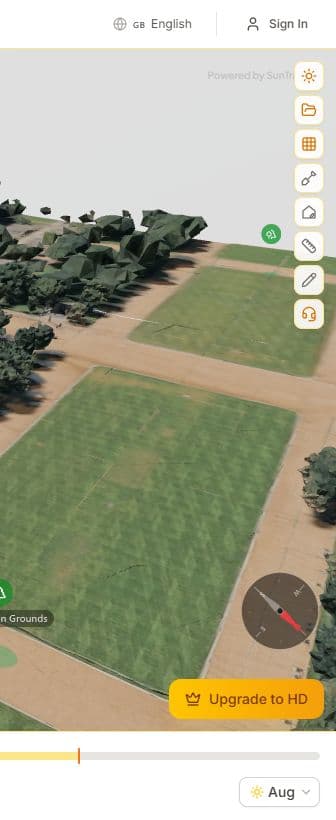
Right-to-Light Analysis
Assess daylight access to windows using BRE 209 guidelines. Identify which windows fall below recommended thresholds and generate compliance evidence for planning submissions.
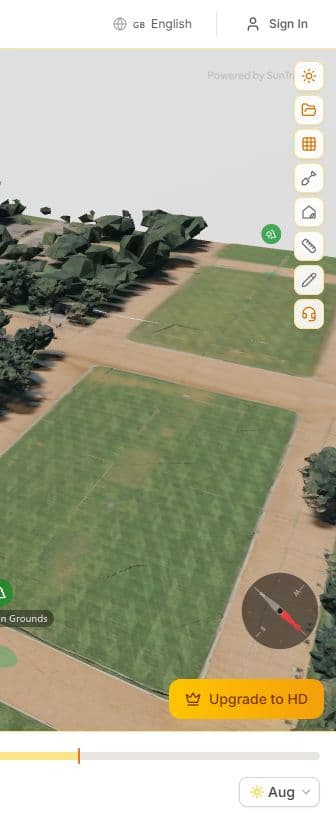
Urban Heat Island Mapping
Analyze surface temperatures and shade coverage across urban areas. Identify heat stress zones and evaluate how new construction affects thermal comfort for pedestrians.
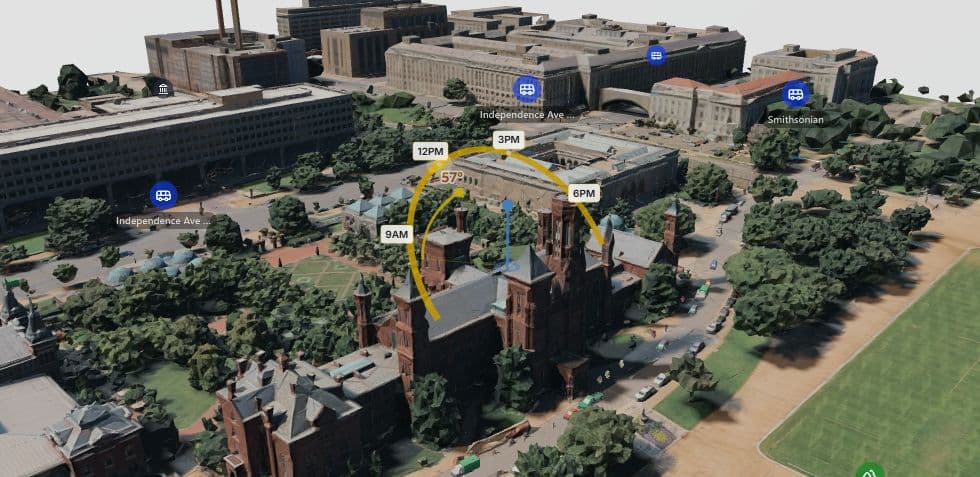
Real-Time Shadow Simulation
Scrub through any hour of any day to see exactly where shadows fall on your property. Watch how sunlight changes from sunrise to sunset across all four seasons.
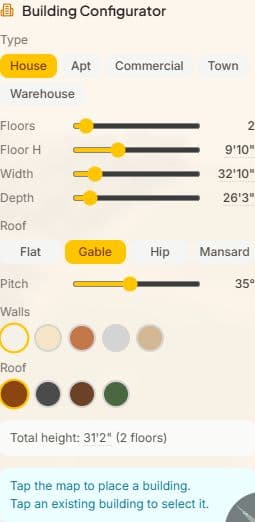
Building Configurator
Design buildings before they're built. Choose building type, dimensions, roof style, and materials. Place your design on the map and analyze shadow impact on surroundings.

Professional PDF Reports
Generate client-ready solar site reports with 3D renders, system specs, monthly production charts, financial analysis, and environmental impact data.
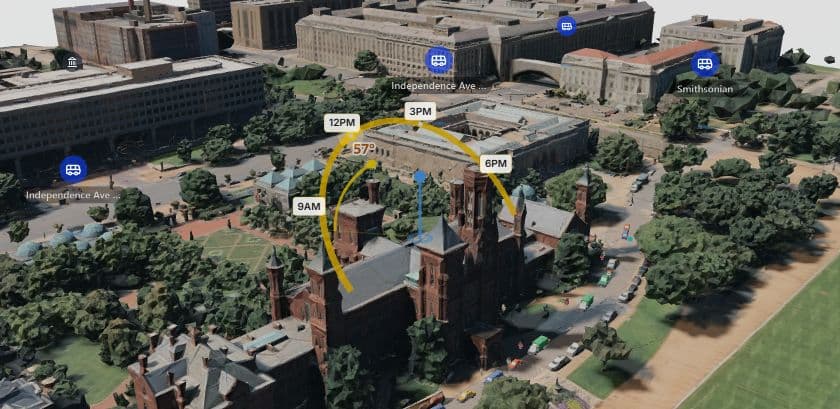
3D Measurement Tool
Measure distances between buildings, trees, and property boundaries in full 3D. Essential for setback calculations and shadow impact assessments.
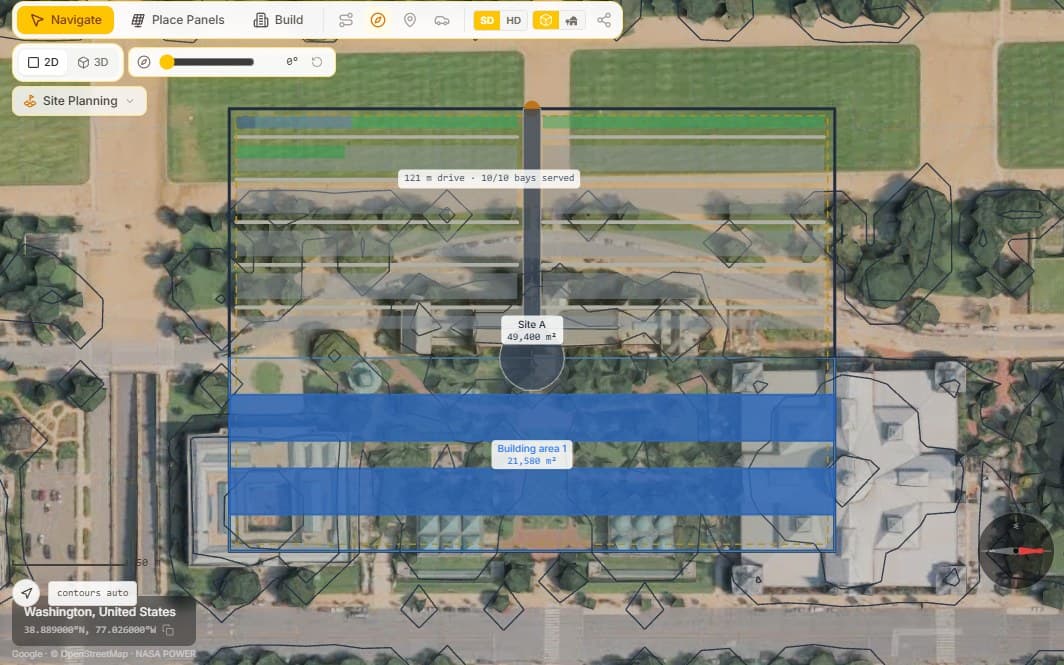
Site Planning & Feasibility
Draw a parcel and see what it yields — units, floor area, parking, cost and a zoning check — solved live on real 3D terrain. Business and Enterprise.
Explore Site PlanningHow It Works
From address to sunlight analysis in under a minute
Load the Development Site
Enter the site address and get a photorealistic 3D model of the area with all surrounding buildings already in place.
Analyze Compliance & Impact
Run right-to-light checks on neighboring windows and simulate shadow impact across the full year.
Export Planning Evidence
Generate professional PDF reports with shadow studies, compliance data, and 3D visualizations for planning submissions.
Why Switch to SunTrace3D?
Traditional Tools
- €500–€2,000 per outsourced shadow study
- Weeks of back-and-forth with consultants
- Manual BRE 209 compliance checks
- No urban heat assessment capability
SunTrace3D
- Self-service analysis for €9/month
- Results in minutes, iterate instantly
- Automated window-by-window analysis
- Built-in thermal comfort mapping
Frequently Asked Questions
Does this support BRE 209 guidelines?
Yes. The right-to-light analysis assesses daylight access to windows based on BRE 209 (Site Layout Planning for Daylight and Sunlight) guidelines, checking vertical sky component and annual probable sunlight hours.
Can I add a proposed building to the scene?
Yes. Use the building configurator to design your proposed development with custom dimensions and roof type, then analyze its shadow impact on surrounding properties and windows.
Is the shadow data accurate enough for planning submissions?
Shadow positions are calculated from astronomically accurate sun positions and real 3D building geometry. Many planners use SunTrace3D for feasibility and client presentations. Check your local authority's specific requirements for formal submissions.
Can I analyze pedestrian-level shadow impact?
Yes. The sunlight heatmap shows ground-level sun exposure including pedestrian corridors, parks, and public spaces. You can see exactly how much shade a new development casts at street level.
What does the urban heat analysis include?
The thermal analysis maps surface heat exposure based on shade coverage and material albedo. It identifies heat stress zones and shows how proposed developments affect thermal comfort.
Ready to run your first compliance analysis?
Start free — no credit card needed